Table of Contents
If you walk into a typical betting shop in Africa, you can usually tell within a minute what sports actually matter to people there. The screens are filled with football. Premier League matches scrolling across the top, La Liga odds underneath, Champions League fixtures coming up next. Someone is always arguing about a missed chance or checking their ticket after a goal. Basketball pops up sometimes. Tennis during big tournaments. But cricket rarely gets that kind of attention. You might see the odds listed somewhere on the board or inside the app menu, but it’s not the sport people gather around to watch together. Most of the time it sits quietly in the background, available but not really driving the room. That makes you wonder where cricket really fits in Africa’s betting culture.
South Africa Is the Exception
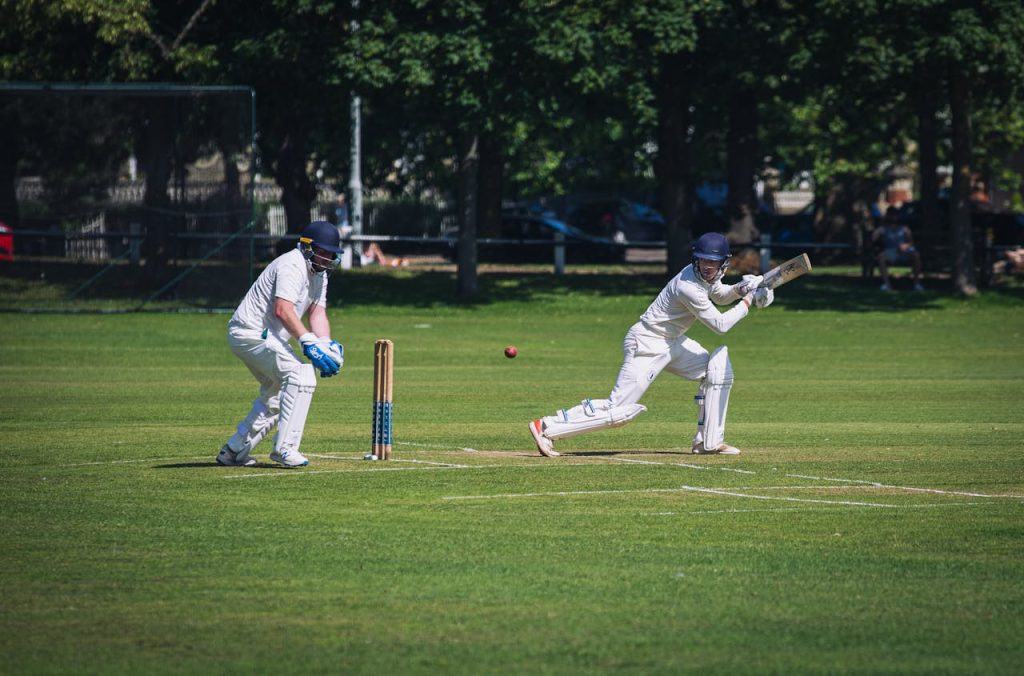
In South Africa, cricket isn’t some side sport. It’s part of the mainstream. There’s history there. Domestic leagues. International presence. A strong national team. When South Africa plays, people pay attention. And when they pay attention, they bet. Big ICC tournaments bring real activity. T20 matches especially get traction because they’re quick and easier to follow live. In South Africa, cricket betting feels normal. But once you move north, the picture changes.
Outside South Africa, It’s Event-Based
In most African countries, cricket betting spikes in platforms like sports betting zambia during major international matches and it is not a week to week activity. An India vs Pakistan match? That draws interest. A World Cup semifinal? Definitely. But a random bilateral series between two non-African teams? That won’t move the needle much in Nigeria, Ghana, or Kenya. It’s not that cricket is unknown. It’s that it doesn’t dominate daily conversation the way football does. People bet on what they talk about. And most of the time in Africa, that’s football.
T20 Made It Easier
If cricket has gained ground anywhere, it’s because of T20. Short format. Faster scoring. Clear results within a few hours. That fits mobile betting better than a five-day Test match. Live betting on T20 can be active because momentum shifts quickly. Odds move. A few overs change everything. That dynamic feels familiar to bettors who are used to fast football markets. Still, even with T20 growth, cricket remains secondary in most African markets.
The Reality on the Ground
Betting shops reflect culture. In Nigeria, you’ll struggle to find a crowd gathered around a cricket screen unless it’s a massive international event. In Ghana, same story. In Kenya, there’s historical interest, but football still pulls bigger numbers. Cricket betting exists. It’s listed. It’s available. But it doesn’t drive daily traffic the way European football does. South Africa remains the outlier. Zimbabwe shows pockets of engagement. Elsewhere, it’s occasional rather than consistent.
And if you actually sit inside a betting shop long enough, the difference becomes obvious. When a big football match kicks off, the room reacts to every chance. People shout when a shot hits the post. They argue about penalties. Phones come out as bettors track their slips.
When a cricket match is on, the energy is quieter. A few people follow it. Most don’t. Sometimes someone checks the score on their phone rather than watching the screen. That tells you a lot about where the sport sits.
Mobile Betting Changes Things Slightly
The rise of mobile betting has helped cricket a little. Years ago, if a sport wasn’t showing on the shop screens, people rarely bet on it. Now bettors scroll through the full sportsbook menu on their phones. That means cricket matches are easier to discover. A bettor browsing through live markets might notice a T20 match in progress and place a small wager out of curiosity. This doesn’t turn cricket into a dominant sport overnight, but it does create occasional spikes in activity.
You also notice something else if you watch how people bet. Most bettors stick to sports they feel they understand. They know the football teams, the players, even the referees. With cricket, a lot of people simply don’t have that familiarity. The rules are different, the rhythm is slower, and unless you’ve followed it for years it’s harder to read what’s happening. Because of that, many bettors scroll past the cricket markets and go straight back to the football section.
Mobile platforms make niche sports more visible.
Still, visibility isn’t the same as demand. Where the Interest Really Comes From Some cricket betting traffic in Africa is driven by international attention rather than local fandom. India’s Premier League, for example, draws viewers around the world. When those matches appear on sportsbook menus, some African bettors join in simply because the odds look interesting or the match is live. But again, that interest tends to be temporary. Once the tournament ends, betting attention shifts right back to football.
That cycle repeats every year.
So Is It Widespread? Not continent-wide. Strong in specific countries? Yes. Recognized across betting platforms? Absolutely. But to be honest, cricket doesn’t scrape the edges of football. Not by volume, frequency, or cultural weight. In fact cricket sits behind football in almost every African betting market. That doesn’t mean it won’t grow. Digital platforms make it easier for fans to follow global sports. Exposure matters. For now, though, cricket in Africa’s betting ecosystem is selective. When the World Cup comes around, you’ll see the interest. The rest of the year, football owns the screen.